Why Most People Who Interfere in Others’ Lives Make Things Worse?
Some people love to interfere and meddle in people’s lives, and why they often make things worse, even resulting in conflicts?

Ignorance
Human psychology is far more complicated than most realise. Most people tend to think that because they are human, they understand humans, themselves and other people. However, for most, perhaps all, this simply is not true.
People rarely grasp how little they actually know about another person’s internal world, history, and personality. Psychology is full of complex and overlapping motivations, defense mechanisms, cognitive biases, and disorders. Applying them accurately to a specific individual requires far more information than most people have. Without that, the intervenor is working from a projected and distorted version of the other person (almost always true).
We default to projecting our own values, experiences, emotional wiring, and preferred solutions onto others. This is especially common when the outsider has never faced the same pressures or has faced them under very different conditions.
The belief that one’s limited perspective is sufficient, and that one’s intervention will improve things. This often pairs with an inflated sense of moral or intellectual superiority. People feel entitled to correct, advise, or rearrange someone else’s life because they are convinced they see the situation more clearly than the person living it.
There have been many studies showing that the majority of people, 80-90 percent of individuals, overestimate their knowledge and ability.
This applies to any area or field that is complex
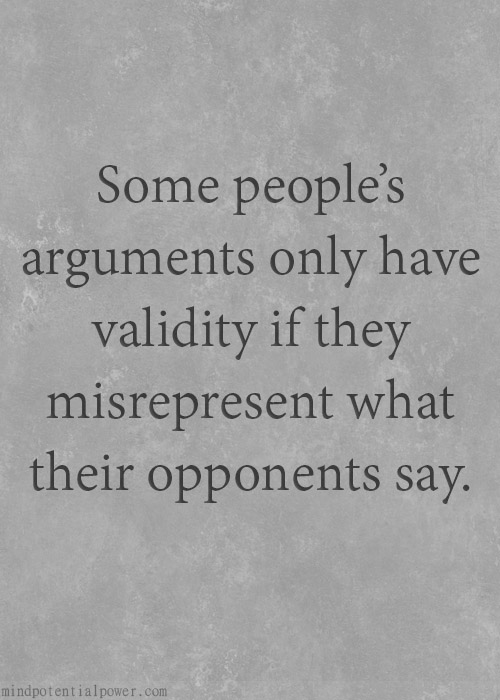
The same pattern applies strongly to politics, and often on a larger and more serious scale. In politics, people (voters, activists, politicians, commentators, bureaucrats) frequently intervene in complex social, economic, and cultural systems with incomplete knowledge. They operate on simplified models of how society works, project their own values and experiences onto millions of cognitively diverse individuals, and act with high confidence that their preferred policies or interventions will improve outcomes.
This is why well-intentioned reforms regularly produce unintended consequences, new conflicts, or worse versions of the original problem. History is full of examples across the political spectrum where top-down interference, driven by overconfidence in a particular worldview, created lasting damage that the intervenors neither predicted nor fully acknowledged. In fact many will actively try and cover up their failures and the damage done.
Try and improve anything without the right understanding or comprehension, and you are very likely to make something worse, not better. The trouble is, most people are not aware of their lacking knowledge, and they wouldn’t even want to accept the idea that they don’t know.
Related Motivations
One of the strongest motivations that some people have is to control others. This is also intertwined with the motivation and the need to feel important. These are basic drives related to social status and ego gratification.
Final Comments
People in general are wired up to overestimate their ability, feel important, and make quick judgments and decisions. They will often delude themselves that they were right to protect their ego, or actively work to cover up their mistakes.
The more I learn about people, the more I want an alien race or AI to take over.