Psychology of Chronic Jealousy & Unfounded Accusations
The psychology of chronic jealousy, including behaviours and possible causes, including past experiences, trauma, and genetic personality traits.
Behavioural Features
The person often interprets ordinary friendliness, politeness, eye contact, conversation, or basic social courtesy from their partner toward other women as evidence of romantic or sexual interest. Normal cues such as (smiling, chatting, holding a door, professional courtesy, or even being located near someone) are treated as signals of attraction or intent. Accusations recur even in the absence of supporting evidence such as secrecy, boundary-crossing, reciprocal flirting, or any evidence whatsoever. The threshold for “suspicious” behaviour is markedly lower than most people’s, and disbelieving information (partner’s reasonable and rational explanations) are often discounted or reframed as further proof of concealment.
Psychological Drivers
Insecurity and fear of loss/abandonment
The person often holds an underlying belief that they are replaceable or that the relationship is fragile. Any external positive social signal is interpreted as a potential rival threat. This is commonly linked to anxious attachment patterns, in which proximity and exclusivity are monitored intensely for signs of withdrawal.
Confusing emotions with intuition

Intuition, despite often being referred to as a “gut feeling”, is not an emotion. It’s described by Carl Jung, it’s a (perception) that derives from somewhere in the unconscious mind. So, a person may confuse the emotional reaction of jealousy for intuition.
Hypervigilance and confirmation bias
Attention is selectively tuned to ambiguous cues that can be read as interest while ignoring base rates of ordinary polite interaction. Once the hypothesis “my partner is interested in others” is active, completely neutral situations or actions are interpreted to support it.
Past experiences
Prior betrayal (personal or observed in family/previous relationships), or cultural messages equating attention with threat, can cause a person to over-detect threats. Projection is also possible: the accuser’s own fleeting attractions or past behaviour may be externalised onto the partner.
Control and reassurance-seeking
Accusations can function (intentionally or not) to elicit repeated reassurances, restrict the partner’s social freedom, or reassert dominance in the relationship. Over time, this can become self-reinforcing: the partner may become more guarded, which the accuser then cites as further evidence.
Emotion regulation difficulties
Jealousy here is less a proportionate response to risk and more an intense affective state that the person struggles to modulate without external validation or behavioural control of the partner. High neuroticism on the big five traits is likely a contributor.
Consequences of this continued behaviour
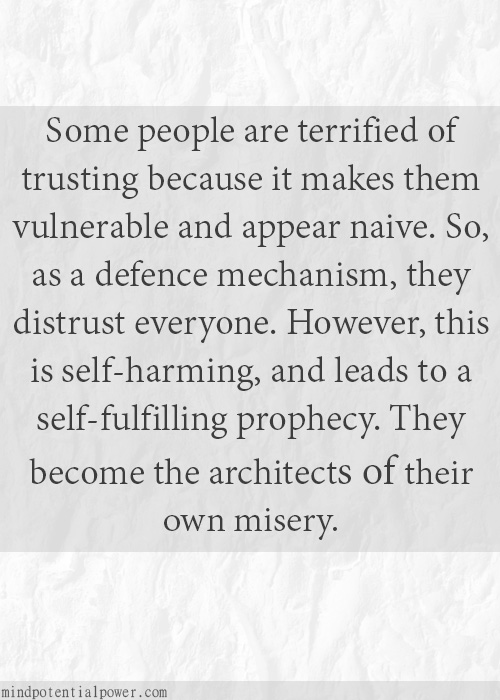
The behaviour reliably erodes trust and safety. The accused partner often begins self-censoring ordinary interactions, experiences chronic invalidation, and may eventually withdraw or leave, ironically confirming the accuser’s fears. It signals that the individual’s internal working model of relationships prioritises threat detection over evidence and mutual autonomy. It’s a stronger indicator of the accuser’s emotional regulation and attachment security than of the partner’s actual actions. Basically, this behaviour creates a self-fulfilling prophecy.
My personal experience of this is that it makes you feel on edge, like you’re constantly being attacked. It causes stress, and at times made me feel distressed and even afraid due to the somewhat unstable, irrational, and baffling behaviour. Accusations could come from absolutely nowhere.
When a completely unfounded accusation is made, and when you try to explain or refute the accusation, they don’t listen to your explanation; this is basically repeatedly calling you a liar, therefore insulting, creating further tension.
Confusing their emotional reactions (jealously) with intuition is a big contributor here. People often say, trust your gut feeling (intuition). However, this issue is connected to regulating emotions (being neurotic), not intuition. It’s particularly toxic behaviour and causes great damage to relationships.
How to overcome or improve this issue?
Self-awareness and acceptance is always a good first step. Being aware of the issue allows you to see it when it happens, and then actively and consciously choose to react differently. If the person is not aware, or in denial about the issue, nothing will ever change. The problems will just repeat.
Understanding the difference between emotional reactions and intuition may create a clear defining line. This defining line should help them not to confuse their emotions with reliable intuition.
Some people are so consumed with trying to help others that they fail to see their own issues. Perhaps, not realising that helping yourself will also help others in your life.