Human Nature and Xenophobia: Are We Born Fearful of Outsiders?
Is xenophobia and prejudice something that we are taught, or is it something deeper, genetic, and human nature?
Xenophobia Definition
“Xenophobia is the intense fear, dislike, or hatred of strangers, foreigners, or anything perceived as strange and foreign.” This can include personality types, disorders and general behavioural traits that are not considered normal.
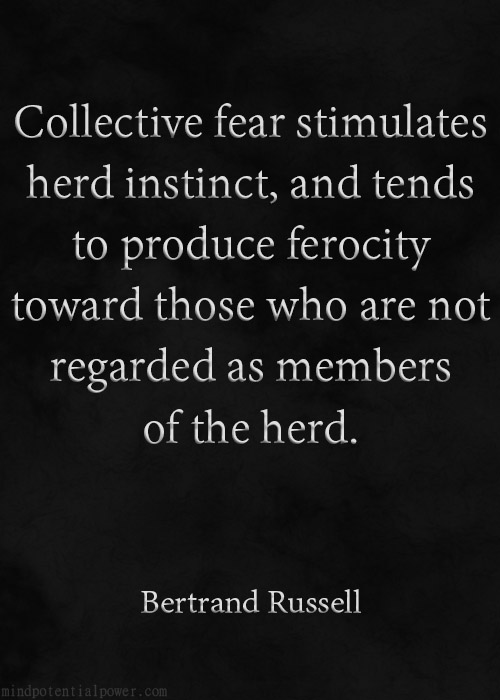
{Evolutionary psychology suggests that in general, human nature includes strong tendencies toward in-group favouritism, prejudice, and fear or wariness of those who are different. This is rooted in evolutionary adaptations. These are not absolute or unchangeable, but they are deeply ingrained and appear across cultures, history, and even minimal experimental conditions.
Humans evolved in small, tribal, kin-based groups where survival depended on cooperation within the group or herd and caution toward outsiders. Outsiders could pose threats, competition for resources, violence, disease (different groups often had different pathogen histories), or social disruption. These instincts are still with us in our modern civilizations.{AI Contribution}}
No matter what new laws are introduced, they can only suppress these instincts for a certain period of time. Any adaption to human nature will likely take thousands of years to evolve our actual biology (human nature).
Differing from the norm triggers defence instincts
Xenophobia and prejudice can be triggered for a number of different reasons, physical and behavioural. Physical characteristics such as race. Behaviour differences that can stem from culture and religion. Plus, other behaviour and personality differences, including being introverted and private in a society where being more extroverted and talkative is the norm. This can also be true for certain ideological and political beliefs.
The values of a society will determine which types of xenophobia are more or less acceptable. Laws and socially acceptable behaviours can change relatively quickly. However, human nature is very slow to change, if possible at all.
Hypocrisy of societal standards
The hypocrisy is, that certain types of xenophobia and prejudice are punishable if acted upon by law and society. While other types are not. For example, decimation and prejudice of those with more reserved personalities and preferences. Basically, anyone who differs from the most common behavioural traits is subject to prejudice, demonisation, and general negative judgments.
Xenophobia still exists in society. People are just more selective in showing it, and engaging in that behaviour.
The dangers of suppressing human nature
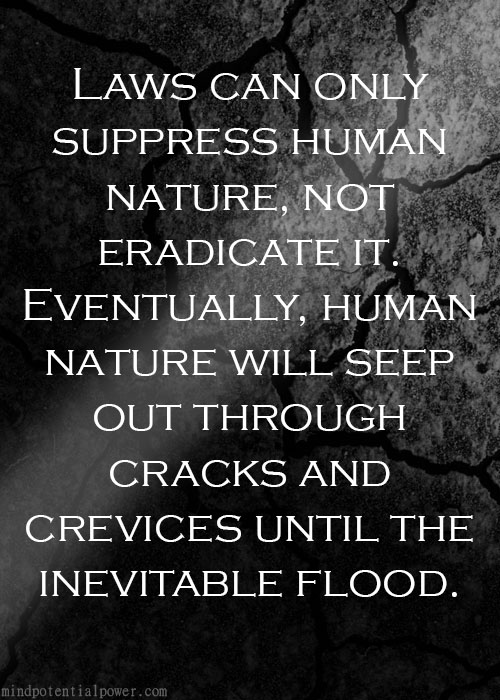
The danger is that suppression is not eradication. Just because something is suppressed doesn’t mean it doesn’t exist. In psychology, when we suppress something, it often builds up over time and leads to expressive bursts.
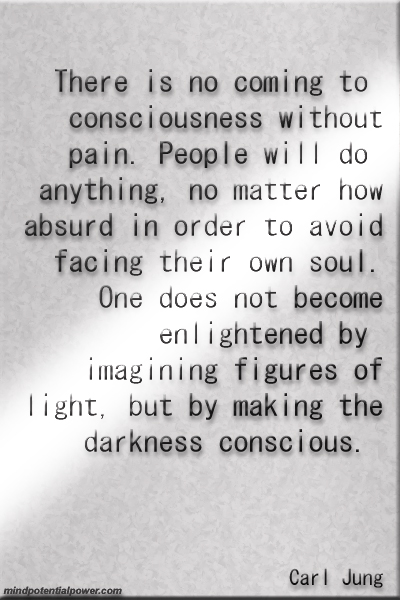
This is one of Carl Jung’s main psychological ideas. The persona, the social mask we show to the world, and the shadow, the suppressed aspects. This applies to individuals, and society.
Final Comments
Prejudice and fear of those who are different is very much human nature. Selectively, a society dictates what types of prejudice are unacceptable. Many of those in the west like to kid themselves that we have evolved beyond this type of behaviour. Instead, it has simply been suppressed and redirected. Anyone who differs from the norm is subject to negative judgments, prejudice, and potentially discrimination.
The point of this post is to suggest that humans in general are prejudiced and xenophobic at a deep biological level. No matter how people like to think of themselves and others, and no matter what laws a government introduce. It won’t change the reality of human nature, it can only temporarily suppress that nature.
Also, acknowledging the dangers of suppression, potentially resulting in that suppression showing itself down the line in very serious and ugly ways. While also pointing out an example of this prejudice when it comes to different personality preferences, and traits.